
The Role of Emotional Engagement in Gambling
The world of gambling is not only defined by odds and strategies but also significantly influenced by emotional engagement. Players often experience a rush of adrenaline when they gamble, a psychological response that heightens their senses and decision-making capabilities. This emotional investment can lead to overconfidence, causing players to stick with a strategy longer than they should, driven by the highs of winning or the fear of losing. Additionally, some might explore online gambling in california real money, which can further amplify these emotional dynamics.
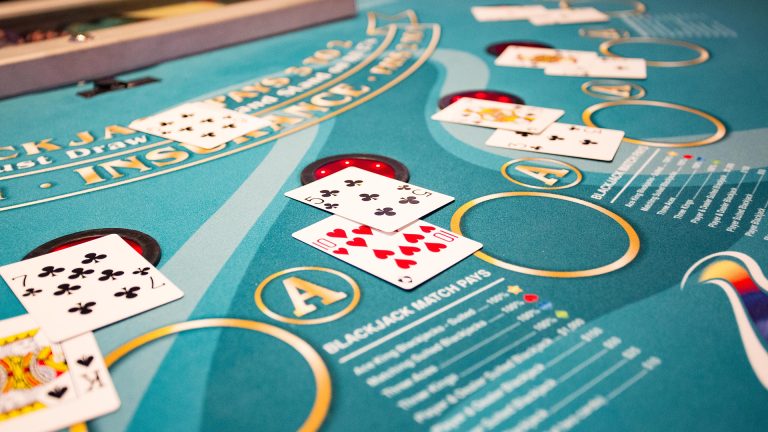
Understanding the emotional triggers – such as excitement, hope, and even stress – can help gamblers recognize their own patterns. By doing so, they can develop strategies that either capitalize on their emotional involvement or keep it in check, enabling more rational decision-making in high-stakes environments.
Cognitive Biases: Playing Against Yourself
Cognitive biases play a critical role in shaping gambling behaviors and strategies. One of the most notable biases is the illusion of control, where players believe they can influence outcomes in games of chance. This misconception can lead to risky betting behaviors, such as chasing losses or overcommitting based on previous wins.
Recognizing these biases is essential for developing successful casino strategies. By understanding how cognitive processes can lead to poor decision-making, players can design strategies that promote more analytical thinking, reducing the influence of irrational beliefs while maximizing potential gains through informed choices.
The Influence of Environment on Gambling Decisions
The environment in which gambling takes place significantly impacts a player’s psychology and strategies. Casinos are designed with specific aesthetics, sounds, and scents that evoke stimulation, encouraging longer play sessions and increased spending. This carefully crafted atmosphere can manipulate a player’s perception of time and money, leading to decisions that might not align with their initial strategy or intent.
Creating a mindful gambling environment, whether at home or in a casino, can mitigate the effects of these environmental cues. Players can develop personalized strategies that involve setting strict budgets or playing in less stimulating environments to maintain control and enhance their strategic focus.
The Importance of Self-Reflection and Strategy Adjustment
Self-reflection is a powerful tool for gamblers wishing to refine their strategies over time. By analyzing past games, wins, and losses, players can gain insights into the effectiveness of their strategies. This process is crucial for identifying patterns in behavior and understanding which approaches yield the best results under varying circumstances.
Adjusting strategies based on reflective insights fosters a more adaptive mindset. Successful gamblers routinely evaluate their tactics, allowing them to pivot when necessary and stay attuned to changes in the gaming environment, ultimately leading to improved outcomes over the long haul.
Empowering the Community through Responsible Gambling Awareness
Understanding the psychological underpinnings of gambling strategies can empower individuals within the community to engage in responsible gambling practices. By raising awareness about emotional engagement, cognitive biases, and the influence of the environment, community organizations can provide essential resources that help individuals develop healthier gambling habits.
These initiatives can foster a culture of responsible gambling, encouraging individuals to reflect on their practices and make informed choices. Ultimately, creating a supportive environment where people can learn and grow ensures that gambling remains an enjoyable activity rather than a source of stress or addiction.
