
The Allure of Risk and Reward
The thrill of risk-taking is deeply ingrained in human psychology, and it plays a significant role in why people are attracted to casino games. The potential to win big, despite the odds often being stacked against the player, creates an adrenaline rush that many find irresistible. This rush is not just about the money; it also taps into deeper psychological needs such as the desire for excitement and the feeling of control over one’s destiny. Many players seek out resources to enhance their experience, including visiting sites that may offer options like no kyc casino for a variety of gaming styles.
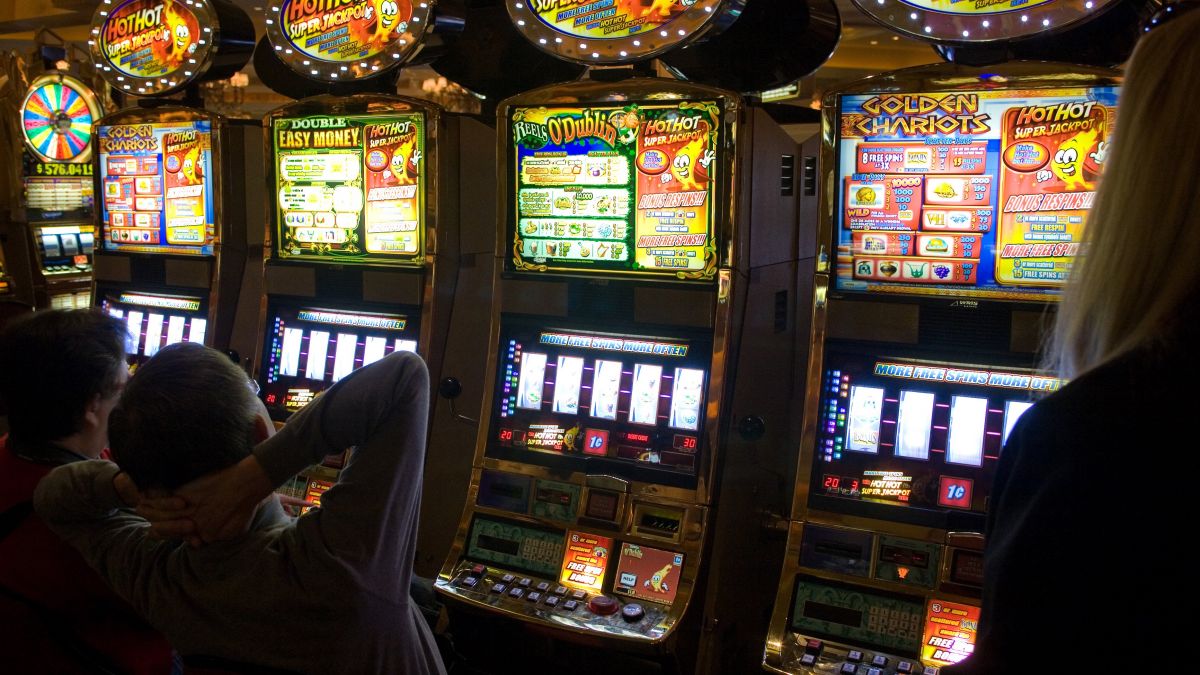
Moreover, the design of casino games is intended to amplify this allure. Bright lights, engaging sound effects, and enticing graphics all contribute to creating an immersive environment that enhances the emotional experience. These elements are carefully calculated to keep players engaged and encourage them to stay longer, feeding into the thrill of possibility and the hope of a big win.
The Dopamine Factor
Chemically, the excitement of gambling is linked to the release of dopamine in the brain, a neurotransmitter associated with pleasure and reward. Each time a player wins, however small the amount, their brain releases dopamine, creating feelings of happiness and euphoria. This makes the act of playing not just about the financial stakes but also about the emotional highs that come with potential victories.
This dopamine response can lead to a cycle of behavior where players chase that ‘high’ with each game, often leading to repeated play even in the face of losses. Understanding this biochemical reaction is crucial for recognizing how easily players can become captivated by the allure of gambling, sometimes leading to problematic behaviors.
Identity and Social Aspects of Gambling
Gambling often serves as a social activity, bringing people together in a shared pursuit of fun and excitement. Many casino games, whether they are card games or slot machines, have a community aspect that fosters social interaction. This can enhance the experience, as players engage with one another, share strategies, and celebrate wins together. Such communal experiences can not only make the activity more enjoyable but also reinforce a player’s identity as a part of the gambling community.
Additionally, the social dynamics of gambling can drive players to participate even more. Peer pressure or the desire to maintain a certain image can compel individuals to continue playing, even when they may not initially intend to. This social aspect can sometimes overshadow individual decision-making, leading to behaviors that may not align with a player’s usual values.
Cognitive Biases in Player Decision-Making
Players often fall prey to cognitive biases that skew their perception of odds and consequences in gambling. For instance, the “hot hand fallacy” leads players to believe that they are on a winning streak and that their luck will continue, despite statistical evidence suggesting otherwise. Similarly, the “gambler’s fallacy” leads individuals to think that past outcomes will influence future results, causing them to bet more heavily after a loss.
These cognitive distortions can create a false sense of security, further entrenching players in the cycle of gambling. By understanding these biases, both players and operators can better navigate the complex landscape of casino behavior, leading to more informed and responsible gaming practices.
Exploring Resources and Community Support
Websites like sjpbysarahjessicaparker.com can provide valuable resources for individuals interested in understanding gambling behaviors and seeking support. By bringing attention to the social and psychological aspects of gambling, such platforms can promote healthier habits and encourage responsible gaming practices.
Furthermore, fostering community support through such platforms can help individuals engage in open discussions about their experiences and challenges with gambling. This can be a stepping stone toward finding constructive ways to engage with casino games while acknowledging the psychological factors at play.
